
Why desert homes freeze
Many people think of freezing as a northern problem. In Apple Valley, the Town reports winter nights in the low 20s, an average January low near 31F and a record low of -1F. Homes here are often built with exposed pipes, uninsulated garages and plumbing on outside walls, because freezes are rare enough that builders did not plan for them.
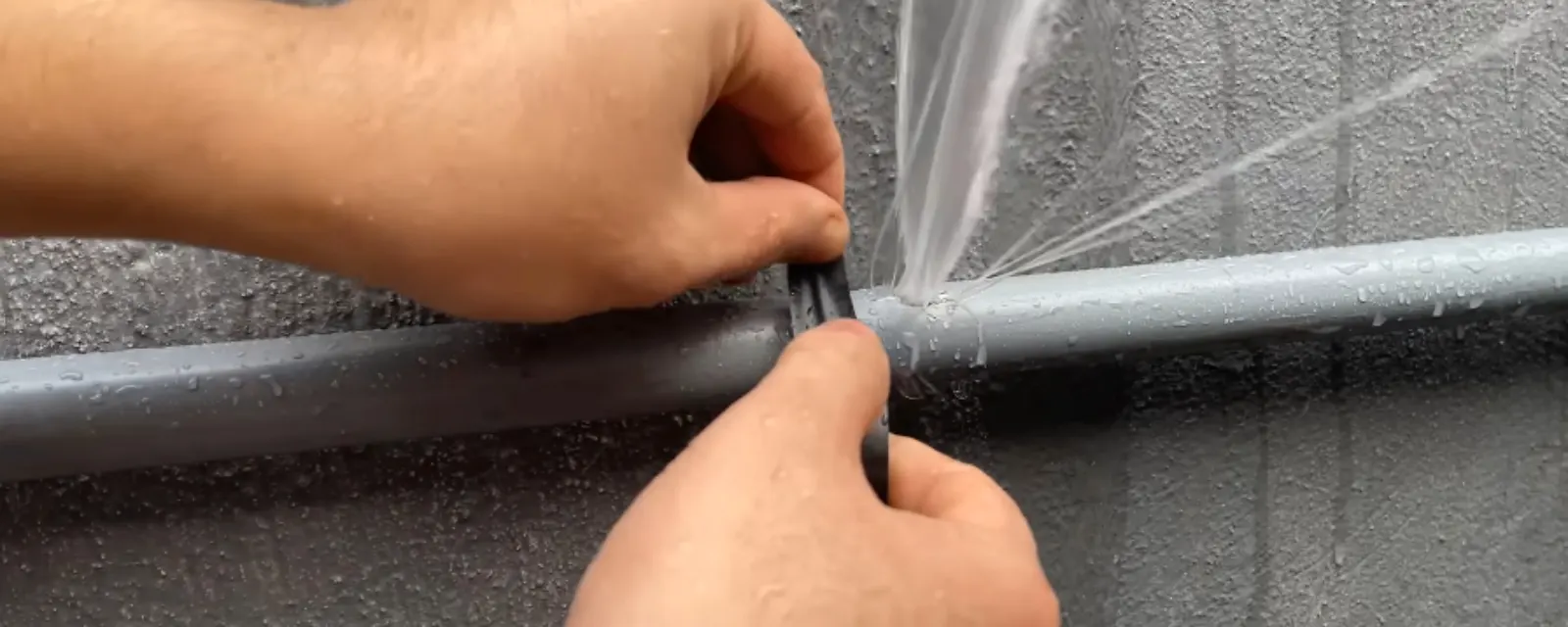
A freeze damages pipes in a simple way. Water expands as it turns to ice, and the pressure can split a pipe or a fitting. The split often goes unseen until the ice melts, and then water flows. That is why a house can flood after the cold ends.
If a pipe has already split and water is flowing, close the main valve and call. Our burst pipe repair page explains what we do.
Pipes most at risk
- Outdoor spigots and hose bibs, especially with hoses still attached.
- Pipes in an unheated garage, including water heater lines and washer connections.
- Attic and crawlspace pipes, where insulation is thin or missing.
- Plumbing on outside walls, such as kitchen sinks on an exterior wall.
- Irrigation lines and backflow devices above ground.
- Tankless water heaters and their pipes in cold garages.
A simple freeze prep checklist
On the coldest nights
On a night forecast for the low 20s or colder, open cabinet doors under sinks on outside walls so warm air reaches the pipes. Let a faucet drip slowly on the coldest lines, since moving water is harder to freeze. Keep the house heated, even if you are away.
If you travel in winter, leave the heat on at a moderate setting and ask someone to check the house. Shut off the main valve if you will be gone a long time and cannot keep the heat on. A frozen line in an empty home can flood it for days.
Freeze risk in Apple Valley, and what to do about the water supply
Apple Valley sits at roughly 2,900 to 3,000 feet in the Mojave Desert, where clear nights lose heat fast. The Town lists winters dipping into the low 20s and summers up to 110F, and that swing stresses pipe, insulation and fittings. A pipe that handles a hundred hot days can still split on one cold night.
Many homes here have the water heater in the garage, and many have irrigation lines above ground. Both are exposed. Insulate the first few feet of hot and cold lines at the heater and drain or protect irrigation lines. If your water comes from Liberty Utilities, which serves about 81 percent of the Town, your meter and the line to it are the utility's concern, while the house side is yours.
Pipe insulation makers publish installation guidelines, and following them on exposed lines in garages and attics gives better protection than loose wrapping. Seal the gaps first, then insulate.
Source: Town of Apple Valley climate profile and Liberty Utilities service information.
Prevention, response and repair
| Stage | What to do | Why |
|---|---|---|
| Before the cold | Insulate, cover spigots, find the shutoff | Prevents splits |
| Cold night | Open cabinets, drip faucets | Keeps pipes warm |
| Frozen, no leak | Warm gently with a hair dryer | Thaws without damage |
| Split and flowing | Close the main valve, call | Limits damage |
| After repair | Dry the area, document | Prevents mold, helps claims |
If a pipe freezes anyway
If no water comes out of a tap in cold weather, a pipe may be frozen. Open the faucet and warm the pipe slowly with a hair dryer or a heating pad, starting near the faucet and working back. Never use an open flame, a torch or a space heater placed too close.
If you cannot find the frozen section or you see a crack, close the main valve and call. Water pressure returns when the ice melts, and a split pipe can flood quickly. Photograph any damage and keep receipts for insurance. Leak detection can find a split in a wall.
Insurance, repairs and next steps
Sudden freeze damage is often covered by a homeowner policy, while gradual leaks are not. Photograph the damage, stop the water and call your agent. Dry the area within a day or two to avoid mold.
After a freeze, have the repair done properly and add insulation where the pipe failed. Homes in Victorville and Hesperia face similar nights, with a January low in Hesperia near 32F. We serve both from the same line.
Frozen pipe questions from Apple Valley homeowners
Yes. The Town reports winters in the low 20s, with a record low of -1F.
Outdoor spigots, garage pipes, attic lines and pipes on outside walls.
On the coldest nights, yes, a slow drip on exposed lines helps.
Warm it gently with a hair dryer. If it splits, close the main valve and call.
Often for sudden damage. Check your policy and call your agent.
Still have a question about your situation? Call (760) 986-1999 any hour and ask.